
How to Set Boundaries with Loved Ones Around Food Choices
Recovery from food addiction is not just about what’s on your plate, it’s also about navigating the social and emotional dynamics that come with food. One of the biggest challenges people face is dealing with loved ones who may not fully understand their journey. Maybe it’s a family member urging you to “just have one slice,” a friend who jokes about your choices, or someone who tries to pressure you into eating in ways that don’t align with your recovery.
This is where boundaries become essential. Setting boundaries isn’t about pushing people away, it’s about protecting your wellbeing, honouring your needs, and making space for healing.
Why Boundaries Around Food Are So Important
Food is deeply tied to culture, family traditions, and social connection. But when you’re in recovery, certain foods or conversations can feel triggering. Without boundaries, you may find yourself:
Pressured into eating something that doesn’t serve your recovery
Misunderstood or dismissed when you try to explain your needs
Guilty for prioritising your health over someone else’s expectations
Emotionally exhausted from constantly justifying your choices
Boundaries create clarity. They help others know how to support you while allowing you to stay aligned with your recovery goals.
How to Set Healthy Boundaries Around Food
1. Get Clear on Your Needs First
Before you can communicate boundaries to others, take the time to understand what feels supportive and what doesn’t. For example:
Do you prefer not to be offered certain foods?
Are you comfortable attending food-heavy gatherings, or do you need alternatives?
Do you want encouragement, or would you rather keep your recovery private?
Knowing your needs makes it easier to express them confidently.
2. Communicate with Honesty and Kindness
Boundaries don’t have to be harsh or confrontational. A simple, clear message works best:
Thank you, but I’m not eating that right now
I’d love to join you, but I’ll bring my own food so I can stay on track
I’d appreciate it if we could talk about something other than diets or food
By being direct but kind, you set the tone for respect.
3. Anticipate Pushback
Not everyone will understand immediately. Some people might feel hurt, confused, or even defensive when you set food boundaries, especially if food has always been central to your relationship. Remind yourself: their reaction says more about them than about you. You are not being “difficult,” you’re protecting your recovery.

4. Offer Alternatives
If a loved one is used to connecting with you through food, suggest other ways to spend time together. Instead of meeting for a meal, maybe go for a walk, watch a film, or do something creative together. This helps maintain connection while honouring your boundaries.
5. Lean on Supportive People
Surround yourself with those who respect your choices. Whether it’s friends, recovery groups, or communities like Food Addiction UK, having people who “get it” makes boundary-setting less isolating.
Reframing Boundaries as Acts of Self-Love
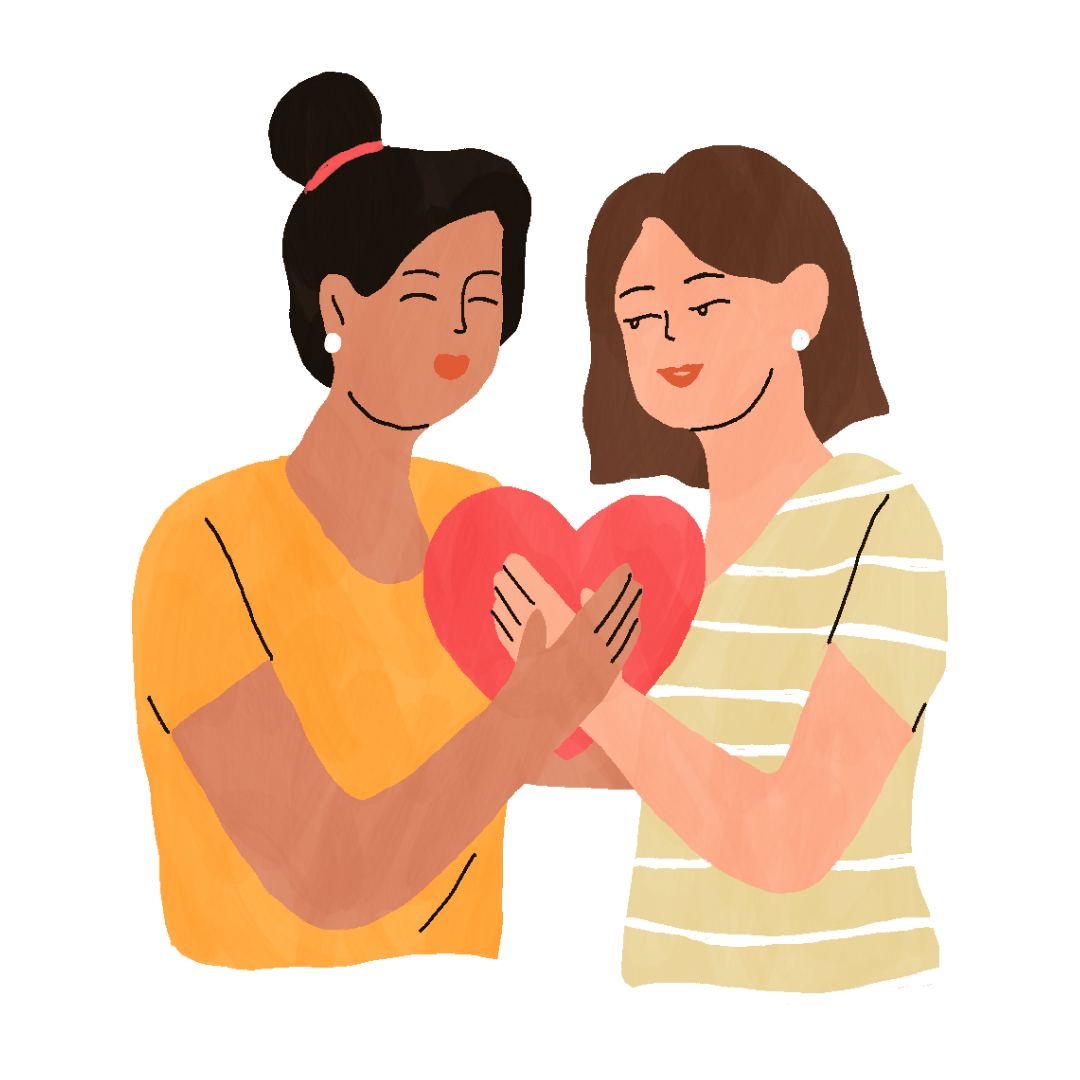
It’s common to feel guilty when setting boundaries, especially with people you care about. But boundaries aren’t selfish, they’re acts of self-respect. By saying “no” to what harms your recovery, you’re saying “yes” to your health, your healing, and yourself. Over time, boundaries also teach others how to support you. They may even strengthen your relationships, because true connection grows from respect and understanding.
Final Thoughts: Protecting Your Recovery with Boundaries
Setting boundaries with loves ones around food choices is one of the bravest and most empowering steps you can take in recovery. It’s not always easy, and it might feel uncomfortable at first, but remember: your recovery is worth protecting.
You deserve to be surrounded by people who respect your journey, and with clear, compassionate boundaries, you give them the chance to rise to the occasion.
At Food Addiction UK, we encourage you to see boundaries not as barriers, but as bridges: they help you move toward healthier relationships, deeper self-respect, and a recovery that feels safe and sustainable.
Need Support?
Join our community or reach out to talk with others who get it.
You don’t have to do this alone.
Copyright © 2026 · Food Addiction UK