
Winter Wellbeing: How to Navigate Food Without Guilt Over the Holidays
The holiday season can be magical - twinkling lights, cosy gatherings, traditions, and time with loved ones. But if you’re in recovery from food addiction, this time of year can also feel like a minefield. Buffets, chocolates, festive drinks, and endless opportunities to “indulge” can stir up anxiety, cravings, and guilt.
You might feel torn between wanting to join in and fearing a setback. You might even hear that inner critic whispering, “If you eat this, I’ve failed.” But here’s the truth, you don’t need to approach the holidays with dread. With the right tools and mindset, it’s possible to enjoy the season, food included, without guilt weighing you down.

Remember: Food is Just One Part of the Holidays
It’s easy to think of the holidays as revolving entirely around food, but in reality, they’re about so much more: connection, traditions, laughter, and creating memories. When you notice yourself fixating on the buffet table or worrying about what’s on your plate, gently shift your focus back to what the season truly represents for you.
Ask yourself: What do I want to remember about this holiday? The food I ate, or the people I was with?
Release the “All-or-Nothing” Mindset
One of the biggest traps in recovery is black-and-white thinking: “If I eat this mince pie, I’ve ruined everything.” But one choice doesn’t define you, and it certainly doesn’t undo your progress. Try reframing your thoughts: Instead of seeing food as “good” or “bad,” think of it as a choice, one that can be made mindfully, without judgement. The more you release labels, the less power food holds over you.
Practice Mindful Eating
If you do choose to enjoy a holiday treat, give yourself permission to slow down and really taste it. Notice the flavours, textures, and how it feels to savour each bite. Often, when we eat mindfully, we find satisfaction in less, because we’re actually present with the food rather than rushing or eating in secret. Mindful eating turns holiday meals into experiences rather than battles.
Have a Plan that Supports You
Planning ahead can reduce anxiety and help you feel grounded:
Eat regularly - Don’t skip meals to “save up” for a big dinner. This often leads to stronger cravings and overeating.
Bring your own dish - If you’re worried about options, bring something you feel good about eating and sharing.
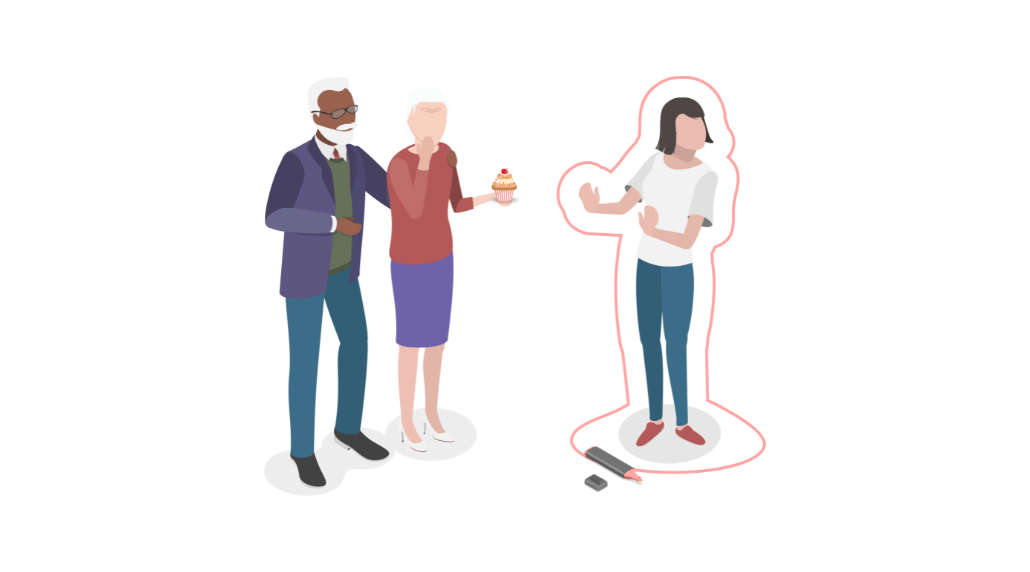
Set gentle boundaries - Politely decline food pushes with phrases like “Thank you, I’m satisfied for now.”
A plan doesn’t mean rigidity, it simply means you’re giving yourself tools to stay steady.
Focus on Non-Food Joy
The holidays are filled with opportunities to create joy that has nothing to do with food. From walks in crisp winter air to games, music, and meaningful conversations, there are countless ways to soak up the season. Try asking yourself: “What would bring me comfort and joy right now that isn’t food?” Over time, these moments can become the real highlight of your holidays.
Be Gentle with Yourself
Above all, remember that recovery is not about perfection. If you eat more than you planned, or if a craving gets the better of you, that doesn’t mean you’ve failed. It means you’re human. Guilt only fuels the cycle, self-compassion is what breaks it. When guilt shows up, try telling yourself: “I am learning, I am healing. One moment does not define me.”
Final Thoughts: A Season of Self-Kindness
Winter can be a time of warmth, reflection, and joy, but only if you allow yourself the gift of self-kindness. By shifting the focus away from guilt and towards presence, connection, and balance, you can create holidays that feel nourishing in every sense. Recovery isn’t about restricting yourself from joy. It’s about building a life, and a holiday season, where joy doesn’t come with shame attached.
At Food Addiction UK, we believe the holidays are an opportunity to practice compassion, mindfulness, and connection. This year, give yourself permission to celebrate with kindness, because you deserve to enjoy the season without guilt holding you back.

Need Support?
Join our community or reach out to talk with others who get it.
You don’t have to do this alone.
Copyright © 2026 · Food Addiction UK